A railway town still shaped by rail
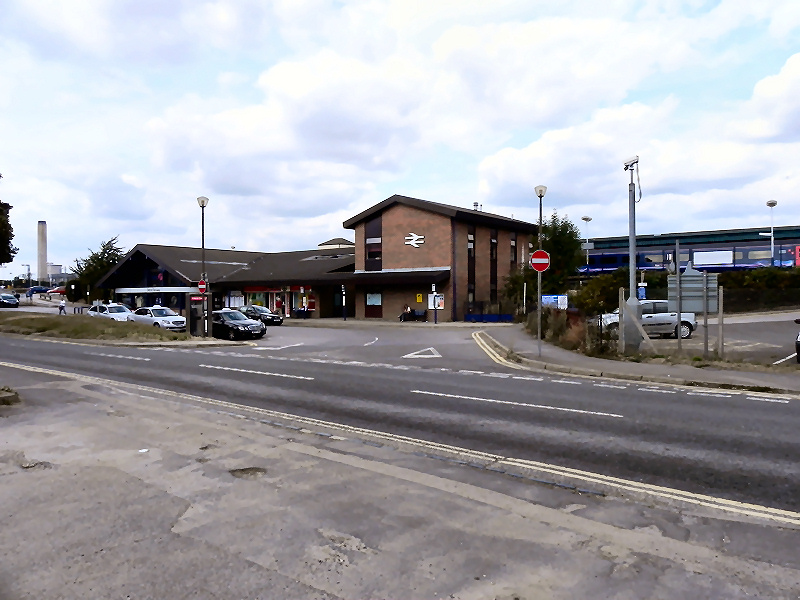
Didcot Parkway connects the town directly with Oxford, Reading and London. That convenience supports apartment living near the station and strong demand from commuters.
Source: National Rail
Oxfordshire · Areas We Cover
Didcot has grown faster than almost anywhere in Oxfordshire, and that growth has produced a great deal of privately managed estate infrastructure.
Didcot is about eight miles from Abingdon, well within our regular visiting area.
Large developments such as Great Western Park and Ladygrove, and the newer schemes around the station and Valley Park, typically include roads, footpaths, lighting, play areas, landscaped open space and attenuation drainage that the council has not adopted. Those are funded by an estate charge or rentcharge paid by every household.
Owners on these estates are often frustrated by two things: not knowing what the charge pays for, and works being handed over from the developer with defects unresolved. Both are fixable with a proper budget, a maintenance schedule and someone willing to pursue the developer.
Know the area
Didcot Parkway connects the town directly with Oxford, Reading and London. That convenience supports apartment living near the station and strong demand from commuters.
Source: National RailGreater Didcot’s Garden Town programme envisages more than 15,000 homes. New estates often arrive in phases, with landscaping, drainage and other shared assets handed over over time.
Source: Didcot Garden TownMajor developments around Didcot cross South Oxfordshire and Vale of White Horse boundaries. Adoption and infrastructure questions may involve several public bodies as well as the developer.
Source: Didcot Garden Town delivery planThe management a development needs depends on how it was built and what is shared. These are the types we see most locally.
Great Western Park, Ladygrove and Valley Park style developments with extensive unadopted open space and drainage.
Commuter apartment blocks with lifts, secure entry and parking, funded through a conventional service charge.
Developments where houses pay an estate charge and apartments pay both estate and block charges, needing careful apportionment.
Alongside the houses there is a growing number of apartment buildings, particularly near the station where commuter demand is strongest. These need comprehensive residential estate management: service charge accounts, fire safety compliance, communal cleaning, lift and door entry servicing, and a long-term plan for external decoration and roof renewal.
It funds the parts of the estate the council never adopted — roads, lighting, open space and drainage. Freehold owners contribute through their transfer deed or a rentcharge rather than through a lease.
In many cases yes, usually through a resident management company. We are happy to explain the practicalities and to work for residents once they hold management.
Tell us about the development and we will explain how we would manage it, how often we would attend and what it would cost.